A Beginner's Guide to Paint
Gouache vs. Watercolor vs. Acrylagouache vs. Acrylic vs. Oil Paint

The most frequently asked question I get is: what is the difference between gouache and watercolor? So I wrote this guide to help you understand better the difference between the most commonly used paint mediums – watercolor, gouache, acrylagouache, acrylics, and oil.
First things first.
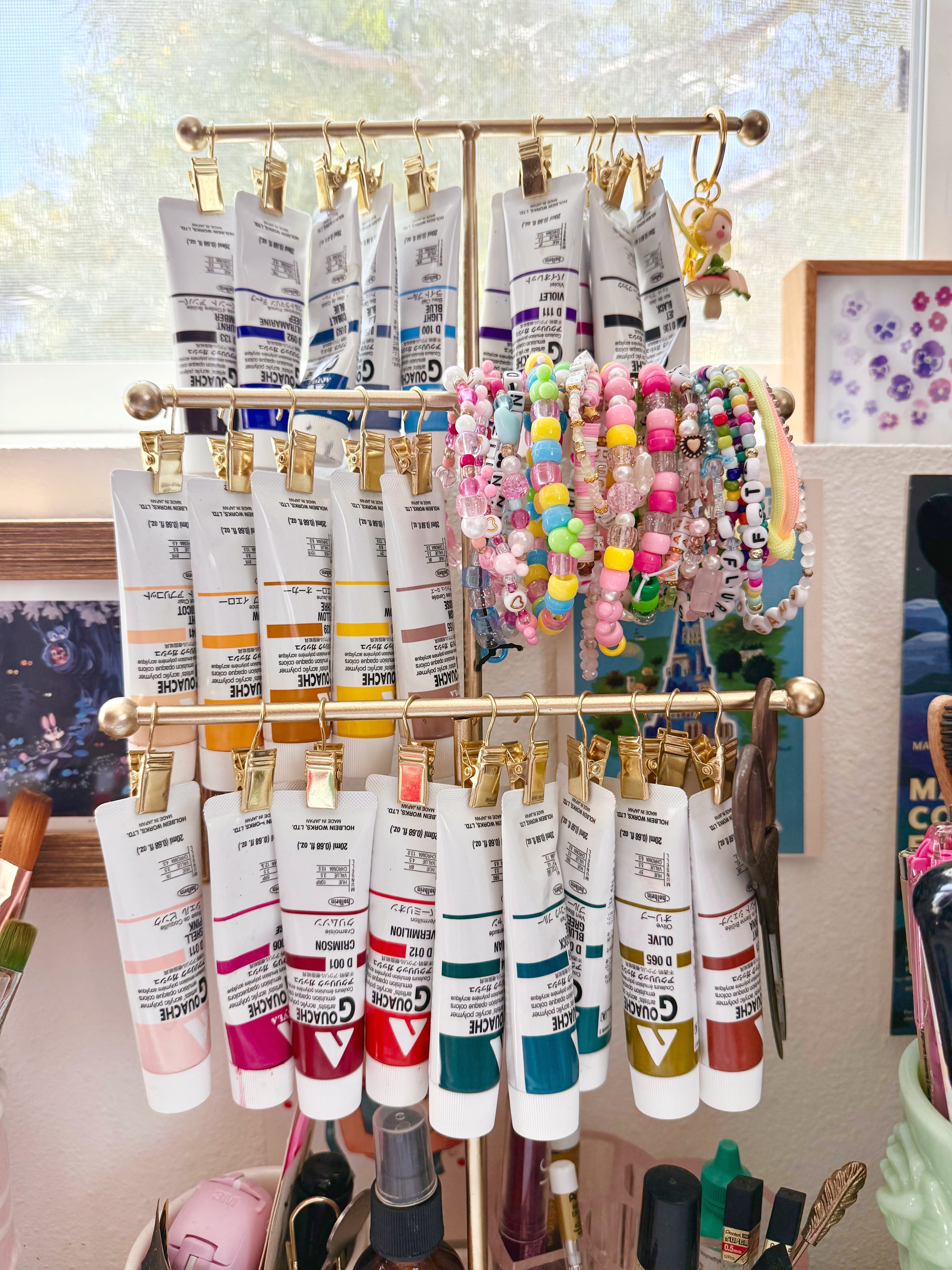
All paint is pigment (a chemical compound that gives a substance color, usually in the form of a powder) combined with a binder (helps it adhere to a surface, like oil, gum arabic, acrylic polymer emulsion, water). Often there are also other additives like a solvent or performance enhancer to help with drying time, flow, and mildew.
Paint = pigment + binder (+ solvents and/or performance enhancers).
The binder is what determines what type of paint it is and how it performs.
Watercolor
Ingredients: Pigment + gum arabic. (There’s also additions like water, glycerin, honey, ox gal, and preservatives).
Solvent: Solvents are for thinning, drying, and cleaning. The solvent for watercolor is water.
Opacity: transparent + luminous.
Form: often in dry cakes in palettes you rewet with water or in tubes.
Colors: soft and translucent by nature.
Canvas: Must be painted on an absorbent, natural surface like 100% cotton paper.
Features: can be rewet with water, dries quickly (5 - 30 minutes).
Gouache
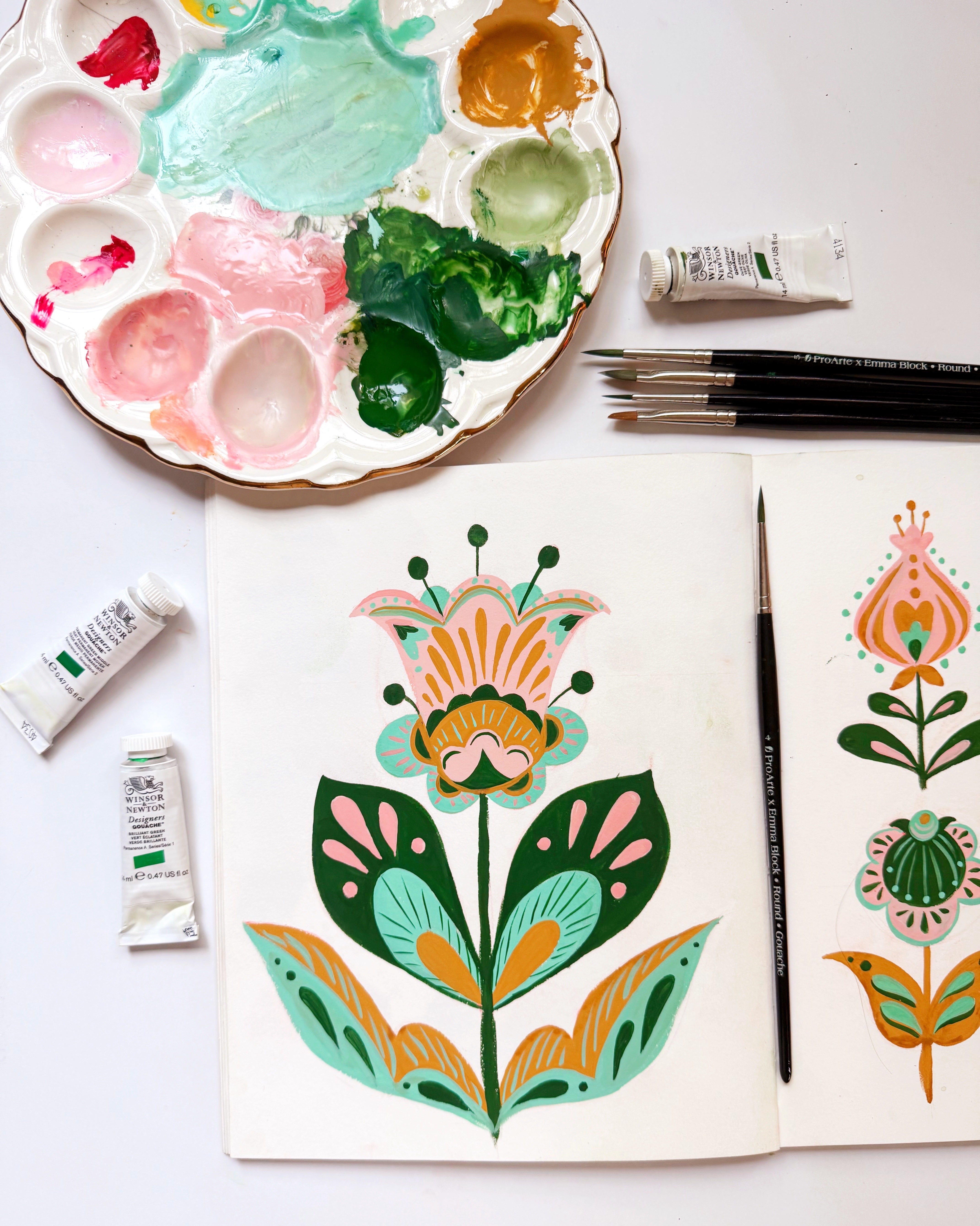
Ingredients: Pigment + gum arabic + white filler pigment. (There’s more pigment than watercolor).
Solvent: Water.
Opacity: opaque + matte.
Form: tubes.
Colors: rich, matte, opaque.
Canvas: Watercolor paper, bristol board, illustration board (my personal favorite).
Features: can be rewet with water, colors tend to dry darker if light and lighter if dark, dries quickly (5 - 30 minutes).
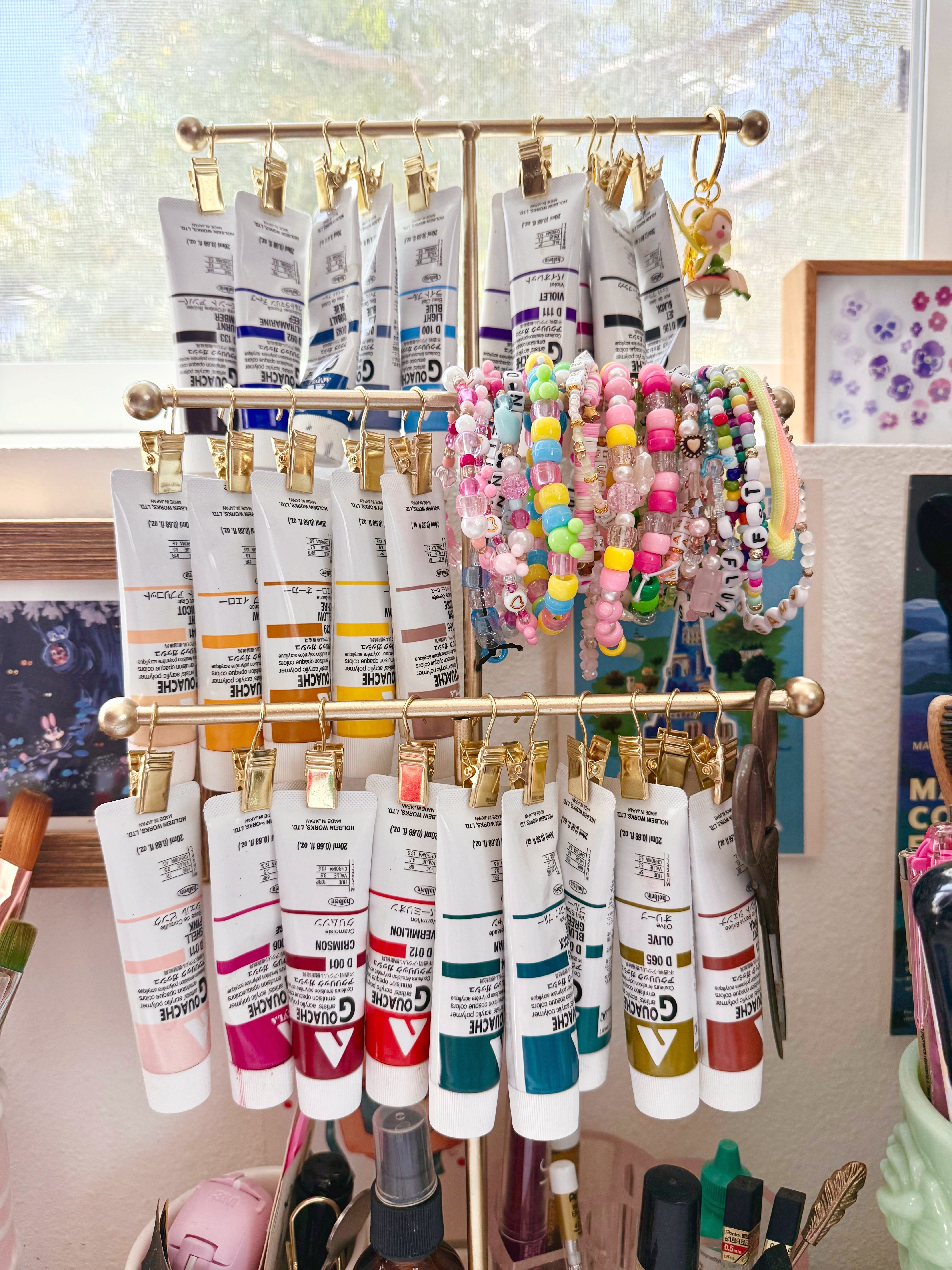
Acrylagouache
Ingredients: Pigment + acrylic polymer emulsion + matting agent + water + polyethylene glycol + preservative.
Solvent: Water.
Opacity: opaque + matte.
Form: tubes.
Colors: rich, matte, opaque.
Canvas: Same as gouache and acrylic. Since it is a plastic paint, you can paint it on non-porous surfaces too.
Features: cannot be rewet by water, less color shifting when dried, dries quickly (20-30 minutes).
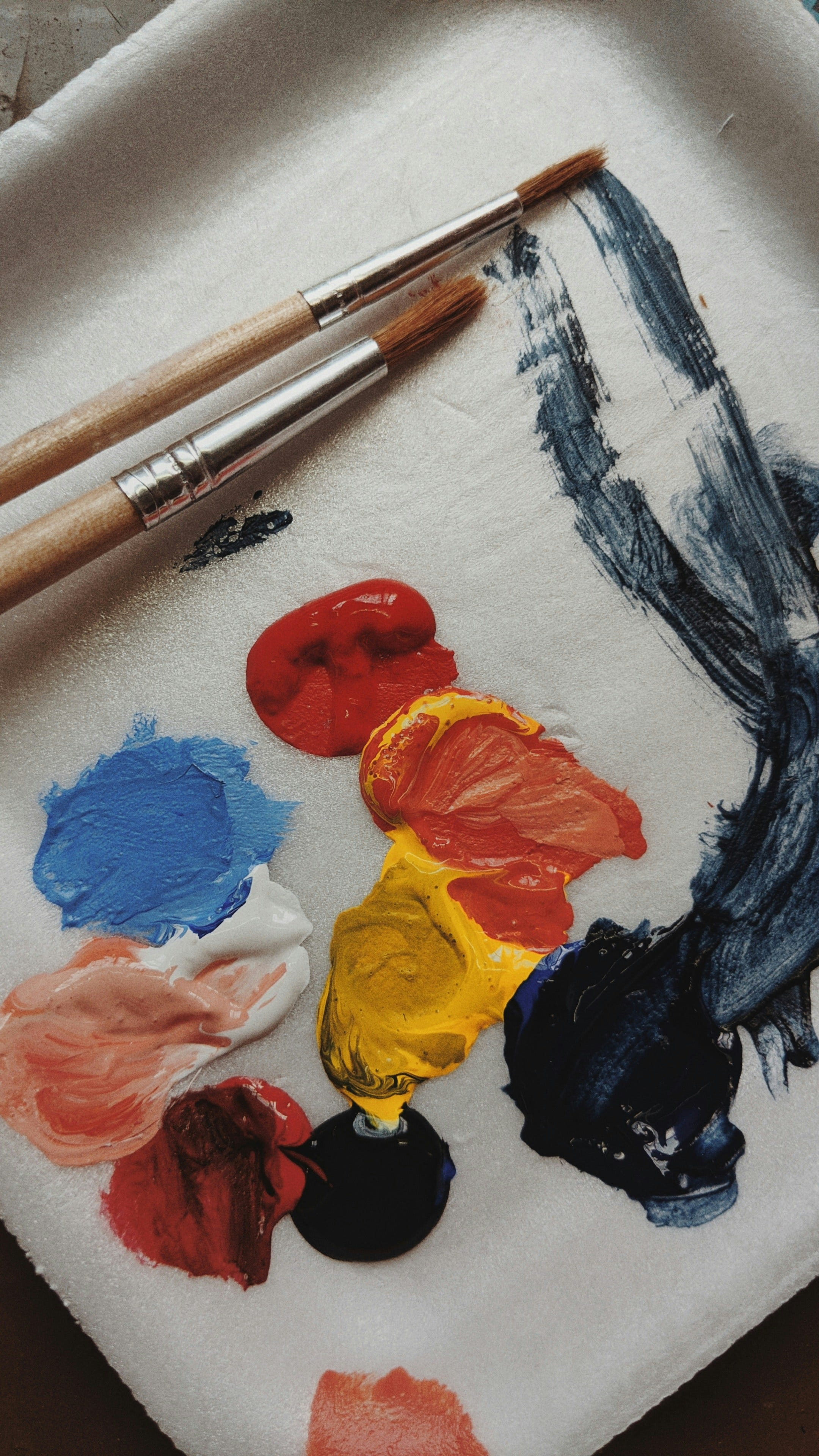
Acrylic
Ingredients: Pigment + acrylic polymer emulsion.
Solvent: Water (when wet). Once dry, it becomes water-resistant and can no longer be reactivated.
Opacity: ranges from transparent to opaque depending on the pigment and amount of water used.
Form: tubes, jars, or bottles.
Colors: bold, versatile, can be layered from thin washes to thick, textured applications.
Canvas: very flexible—can be used on canvas, wood, paper, fabric, and many non-porous surfaces.
Features: dries relatively quickly (20-30 minutes, 24 hours to cure), permanent when dry, can mimic watercolor (when diluted) or oil paint (when used thick).
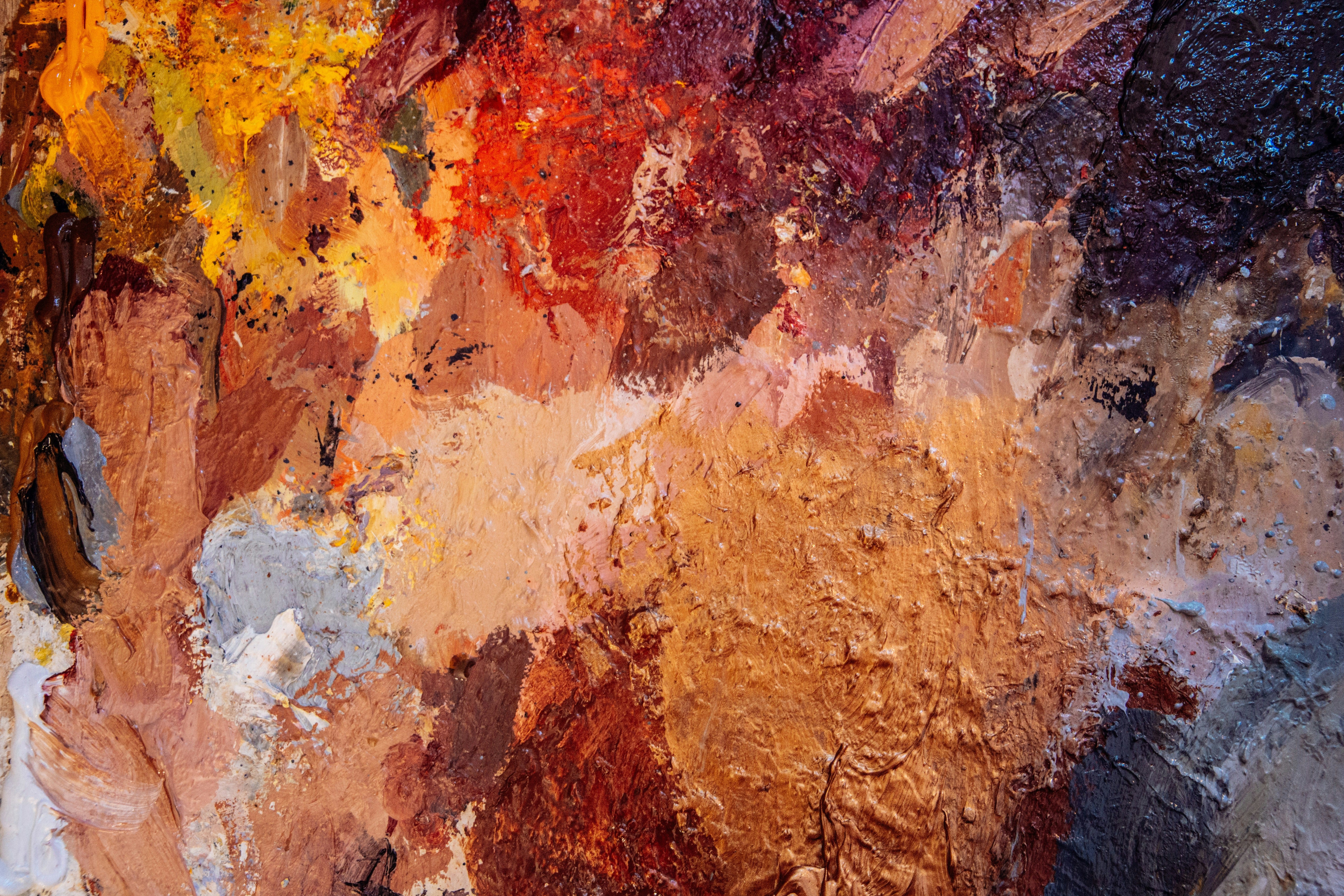
Traditional Oil Paints
Ingredients: Pigment + natural drying oil (like linseed, walnut, or safflower oil).
Solvent: Turpentine or mineral spirits for thinning and brush cleaning (though can be used solvent-free with oils).
Opacity: ranges from transparent to opaque depending on pigment.
Form: in tubes.
Colors: rich, luminous, and deeply saturated.
Canvas: primed canvas, wood panels, linen.
Features: dries slowly (1-2 weeks, up to 6 months to fully cure), extended blending time, requires more ventilation due to solvents, follows “fat over lean” layering (thin layers building up to thicker layers).
BONUS: Oil Paints actually come in a secret second option.
Water-Mixable Oil Paints
Ingredients: Pigment + modified drying oil (usually linseed oil that’s been chemically altered to mix with water).
Solvent: Water (can also use traditional oil solvents if desired).
Opacity: ranges from transparent to opaque depending on pigment.
Form: in tubes.
Colors: very similar to traditional oils—rich and luminous.
Canvas: primed canvas, wood panels, linen.
Features: can be thinned and cleaned up with water, lower odor, fewer harsh solvents needed, slightly faster drying time than traditional oils but still much slower than other paint mediums (dries in 1-5 days), still allows for blending and layering.
Safety note: all paints contain some options for more toxic pigments (notably lead white, cadmium colors, cobalts, and vermillion). With that and oil paint solvents, artists typically use safety protocols including proper ventilation, respirators, and gloves when working. Though modern manufacturing methods have lowered the risk, I generally avoid these pigments and oil painting solvents because there are so many other color options now; like hue or cadmium-free versions.
At the end of the day, all of these paints are created from the same recipe: pigment + binder. The difference in binders changes how they feel, perform, and deliver the color. Different types of paint can also be used in the same piece, except for oil. For example, I’ll use acrylic golds and metallics as embellishments at the end because they show up so much better than gouache ones. So which paint medium you choose depends on how you like to work, the effect you want, and the art you like to make!
Hope this was helpful, and if it was please feel free to share it with a friend!
To practice your gouache painting skills, join me in my monthly live virtual Art Salon by becoming a paid subscriber. Read more about it here:

If you have any questions about paints, feel free to leave a comment below!